
School Readiness 2027 for ASD Children
Is your child truly ready for school?
As your child completes their early intervention program or nursery, we begin the crucial process of transitioning them to Primary school. Our shared goal is to ensure your child not only attends but thrives in this new environment. This transition involves assessing your child's readiness—not just ademically, but in terms of essential foundational life and social skills.
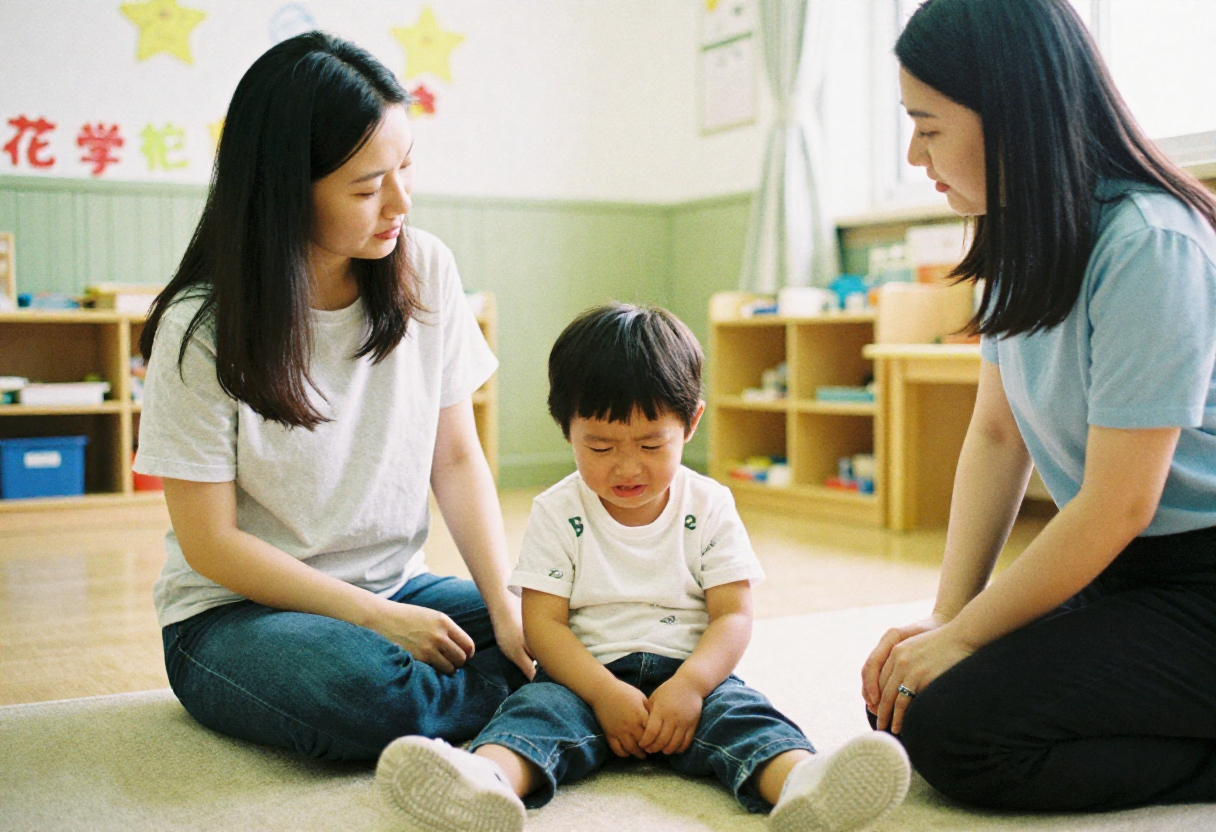
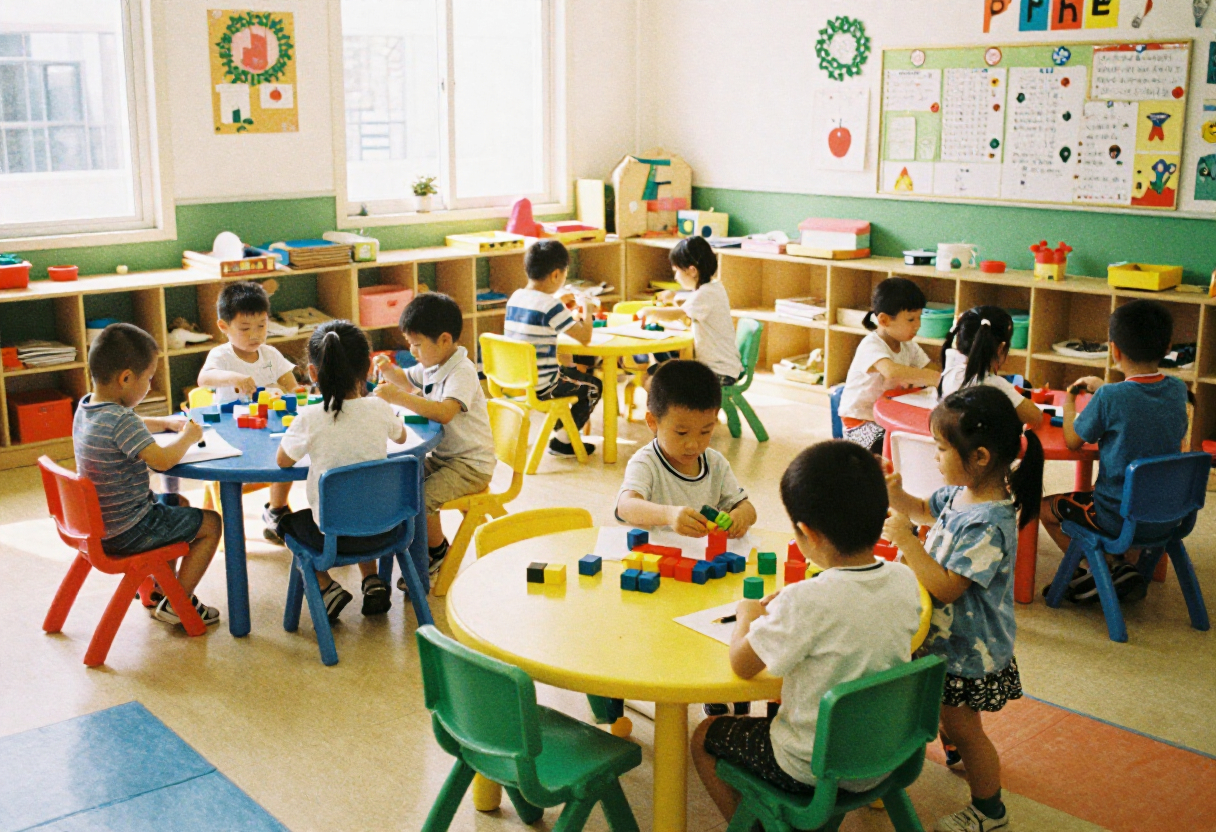
Get ASD Children ready for school.
You might be focused on literacy and numeracy, but for many children—especially those with Autism Spectrum Disorder (ASD)—school readiness is a much broader concept. Extensive research in educational and psychological fields (like the literature spanning 1991–2016) confirms that while children with ASD often demonstrate foundational academic knowledge, they frequently encounter specific challenges in areas vital for classroom success.
Your kids might faced the challenge of :
- Behavioral difficulties
- Challenge in actively engaging in classroom activities
- Restricted repetitive behaviour
- Self-regulation engagement
- Social anxiety & social avoidance

MONITOR YOUR KIDS
Is your child frequently behaved like :

Emotion
- Becoming very upset over minor issues
- Being overly sensitive
- Lashing out when things don't go their way
- Grabbing things without asking
- Not thinking about how their actions affect others

Behaviour
- Talking too much
- Interrupting game
- Acting out or demanding attention
- Difficulty with group play

Social
- Difficulty understanding social cues
- Struggling with conversation
- Control and domination
Do you notice your child frequently displays the behaviours mentioned above? ZORA's School Readiness Program can guide and support your child with Pivotal Skills Training and School Readiness Curriculum to ensure a smooth, confident, and successful transition to Primary school.
ZORA School Readiness January 2026 Intake
What is School Readiness?
School Readiness is the comprehensive ability of a child to demonstrate competence in key developmental and functional skill areas that are essential for successfully adapting to and thriving in a formal school environment.
It is much broader than just knowing the alphabet or how to count. It focuses on the functional skills that allow a child to participate, learn, and form positive relationships in a classroom setting.
Who is School Readiness For?
The focus on School Readiness is for every child transitioning from an early learning setting (like nursery or preschool) to Primary school. However, the concept is particularly vital for children with specific learning profiles, such as those with Autism Spectrum Disorder (ASD) or Attention-Deficit/Hyperactivity Disorder (ADHD). These children often require a targeted, explicit approach to promote the essential developmental and functional skills necessary for optimal school success and well-being.
Even after completing an early intervention or nursery program, many children may still display immature or challenging behaviors that signal an underdeveloped skill area crucial for the Primary classroom.
We view these behaviors not as 'defiance', but as skill deficits—areas where the child needs explicit teaching and support to develop independence and regulation.
How ZORA support your child's transition?
At ZORA, our primary goal is to ensure your child’s transition to Primary school is successful, confident, and enduring. We don't just prepare children for school; we equip them with the foundational abilities necessary for long-term learning, adaptation, and independence. We achieve this through the utilization of the ZORA Approach, which ZORA achieve this utilizing Pivotal Skills.
The concept of Pivotal Skills is rooted in Applied Behavior Analysis (ABA), specifically within a framework known as Naturalistic Developmental Behavioral Interventions (NDBIs). Instead of teaching hundreds of specific behaviors one by one, we focus on a few key, "pivotal" areas of learning.
The power of Pivotal Skills is that when a child improves in one of these core areas, that change "pivots" and results in widespread, positive improvements across many other skills and settings. This makes the intervention more efficient and effective for the child and their family.
We target four primary Pivotal Skill areas to enrich your child's foundational abilities:
Motivations
- Use objects based on the child's selected preferred items or activities.
- Provides natural reward. The learner earned what they like to play.
- Learning is embedded into the learning activities.
- Use of a semi-structured child-led activity allows the child to learn to initiate communication and be actively involved.
- The activities are designed to Foster interest and enjoyment.
Respond to multiple cues
- Train to use various cues to identify objects, rather than being overly detailed to single out a single feature.
- Learn to discriminate and identify multiple features in an object.
- To acquire a greater capacity to adapt to identifying multiple features of an object.
Self management
- Teach the learner to be independent.
- To reduce dependence on a caregiver or therapist.
- Train the learner skills and tools to manage their behaviours.
- Learn to use executive functioning tools to self-monitor their behaviours.
- This is an effective way to increase targeted positive behaviours.
Initiation
- To learn to initiate question asking in the natural environment.
- To learn among peers to initiate, by role modelling and role playing with feedback.
- Encouraged conversation by providing learning opportunities for oral language in discussing age-appropriate topics.
- Teach response to multiple cues to allow higher rates of listening responding.
ZORA School Readiness January 2027 Intake
What is School Readiness?
School Readiness is the comprehensive ability of a child to demonstrate competence in key developmental and functional skill areas that are essential for successfully adapting to and thriving in a formal school environment.
It is much broader than just knowing the alphabet or how to count. It focuses on the functional skills that allow a child to participate, learn, and form positive relationships in a classroom setting.
Who is School Readiness For?
The focus on School Readiness is for every child transitioning from an early learning setting (like nursery or preschool) to Primary school. However, the concept is particularly vital for children with specific learning profiles, such as those with Autism Spectrum Disorder (ASD) or Attention-Deficit/Hyperactivity Disorder (ADHD). These children often require a targeted, explicit approach to promote the essential developmental and functional skills necessary for optimal school success and well-being.
Even after completing an early intervention or nursery program, many children may still display immature or challenging behaviors that signal an underdeveloped skill area crucial for the Primary classroom.
We view these behaviors not as 'defiance', but as skill deficits—areas where the child needs explicit teaching and support to develop independence and regulation.
How ZORA support your child's transition?
At ZORA, our primary goal is to ensure your child’s transition to Primary school is successful, confident, and enduring. We don't just prepare children for school; we equip them with the foundational abilities necessary for long-term learning, adaptation, and independence. We achieve this through the utilization of the ZORA Approach, which ZORA achieve this utilizing Pivotal Skills.
The concept of Pivotal Skills is rooted in Applied Behavior Analysis (ABA), specifically within a framework known as Naturalistic Developmental Behavioral Interventions (NDBIs). Instead of teaching hundreds of specific behaviors one by one, we focus on a few key, "pivotal" areas of learning.
The power of Pivotal Skills is that when a child improves in one of these core areas, that change "pivots" and results in widespread, positive improvements across many other skills and settings. This makes the intervention more efficient and effective for the child and their family.
We target four primary Pivotal Skill areas to enrich your child's foundational abilities:
Motivations
- Use objects based on the child's selected preferred items or activities.
- Provides natural reward. The learner earned what they like to play.
- Learning is embedded into the learning activities.
- Use of a semi-structured child-led activity allows the child to learn to initiate communication and be actively involved.
- The activities are designed to Foster interest and enjoyment.
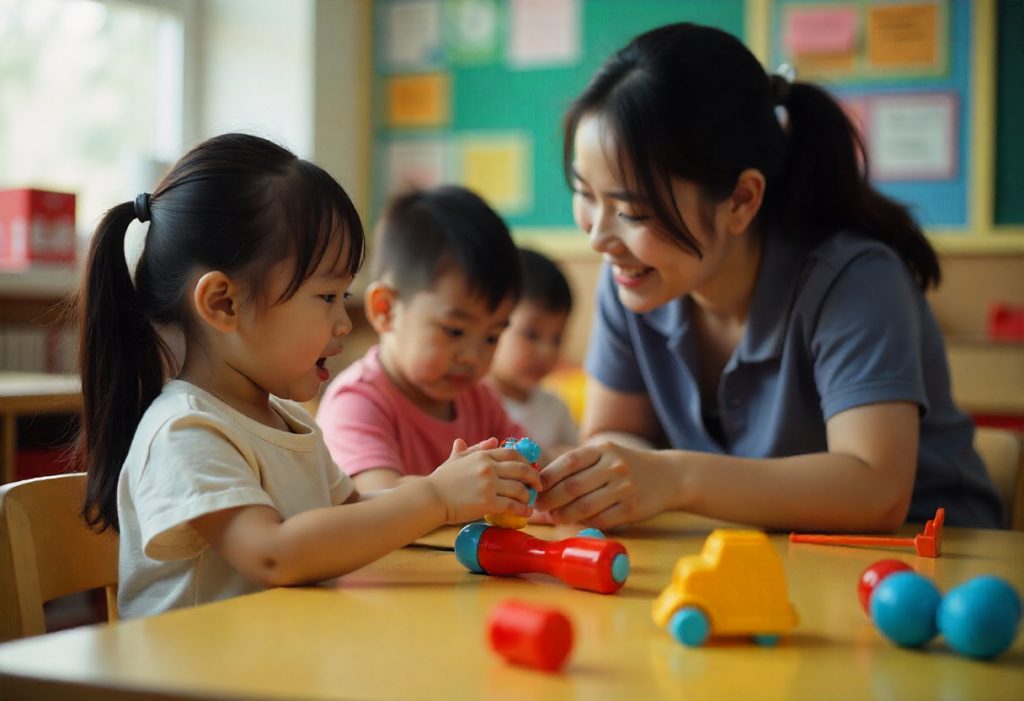
Respond to multiple cues
- Train to use various cues to identify objects, rather than being overly detailed to single out a single feature.
- Learn to discriminate and identify multiple features in an object.
- To acquire a greater capacity to adapt to identifying multiple features of an object.
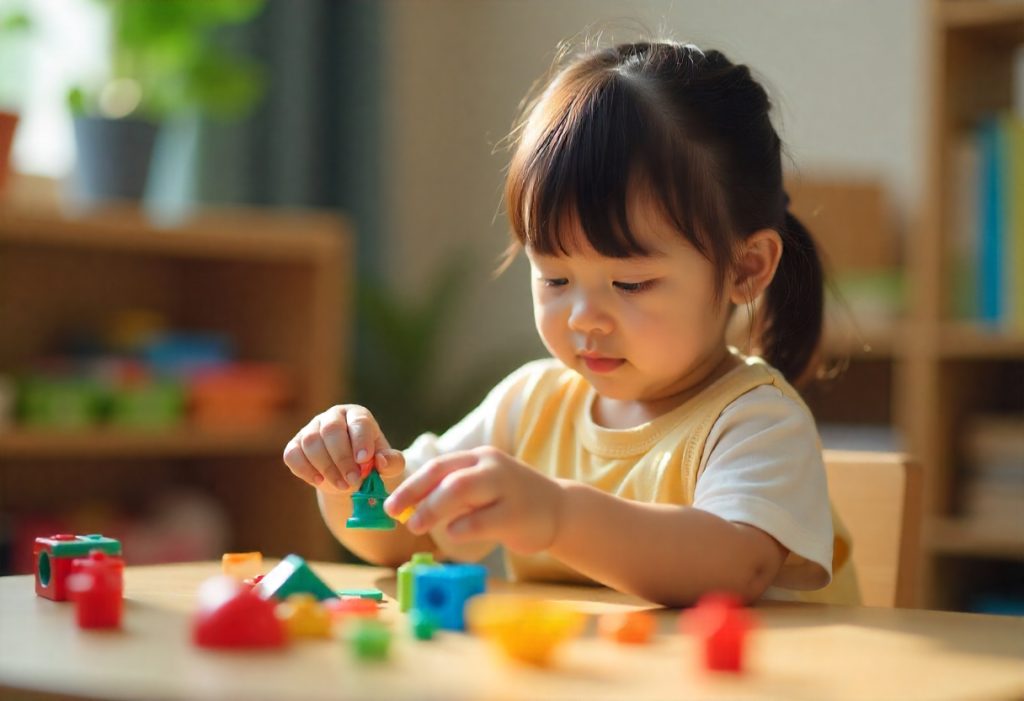
Self management
- Teach the learner to be independent.
- To reduce dependence on a caregiver or therapist.
- Train the learner skills and tools to manage their behaviours.
- Learn to use executive functioning tools to self-monitor their behaviours.
- This is an effective way to increase targeted positive behaviours.
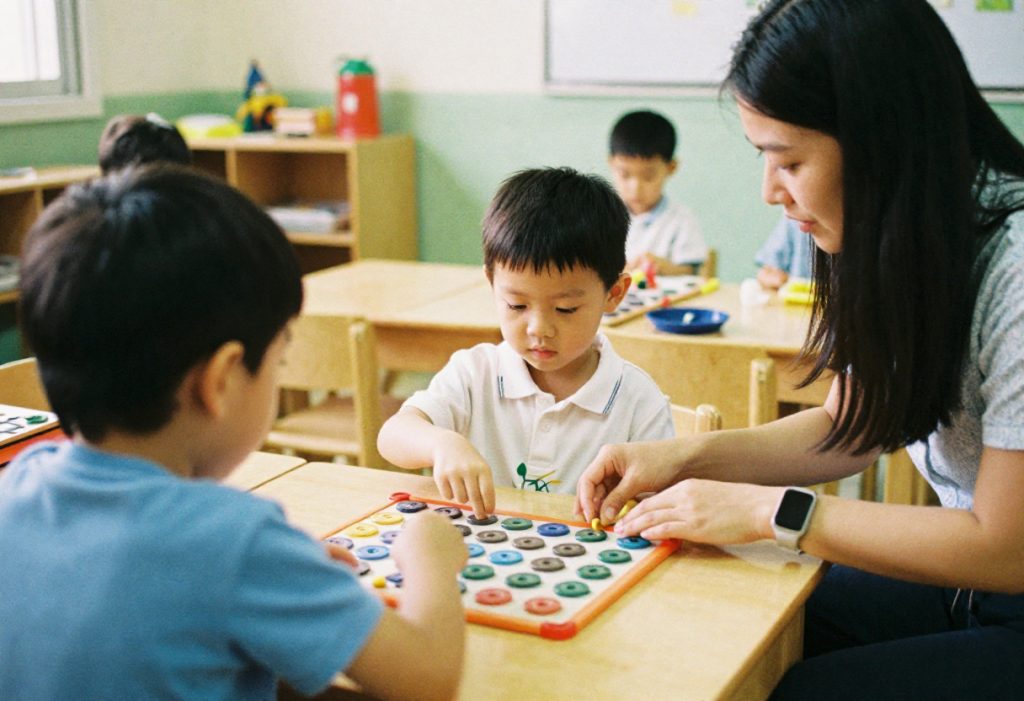
Initiation
- To learn to initiate question asking in the natural environment.
- To learn among peers to initiate, by role modelling and role playing with feedback.
- Encouraged conversation by providing learning opportunities for oral language in discussing age-appropriate topics.
- Teach response to multiple cues to allow higher rates of listening responding.
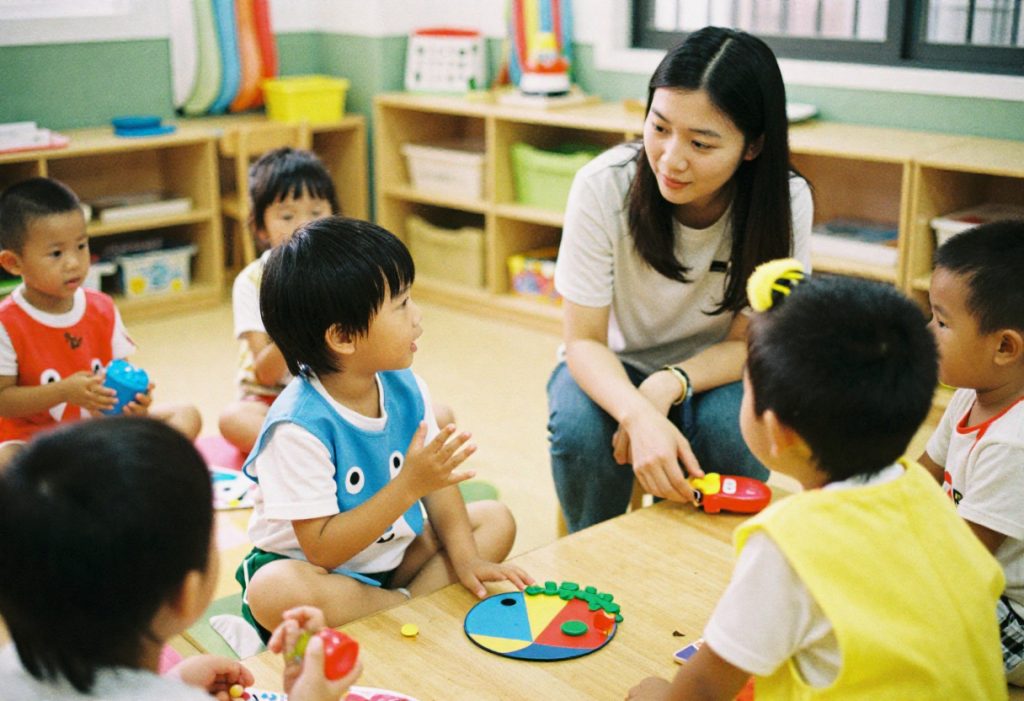
School Readiness Curriculum
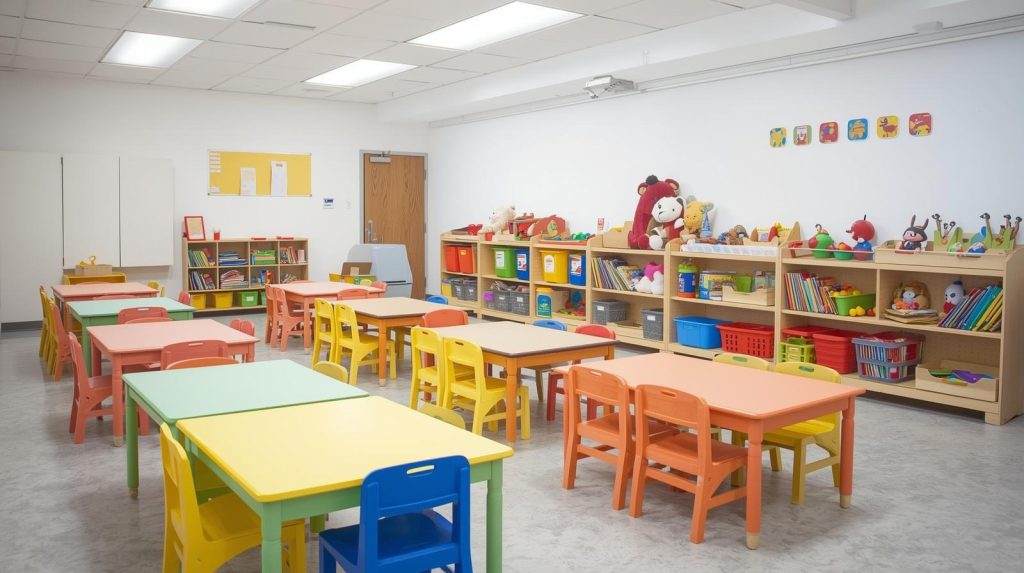
Prepared environment
- Prepare natural environment with toys and equipment for them to practice making choices independently
- Conducive environment to learn making choices initiate play and social interaction innate conversation
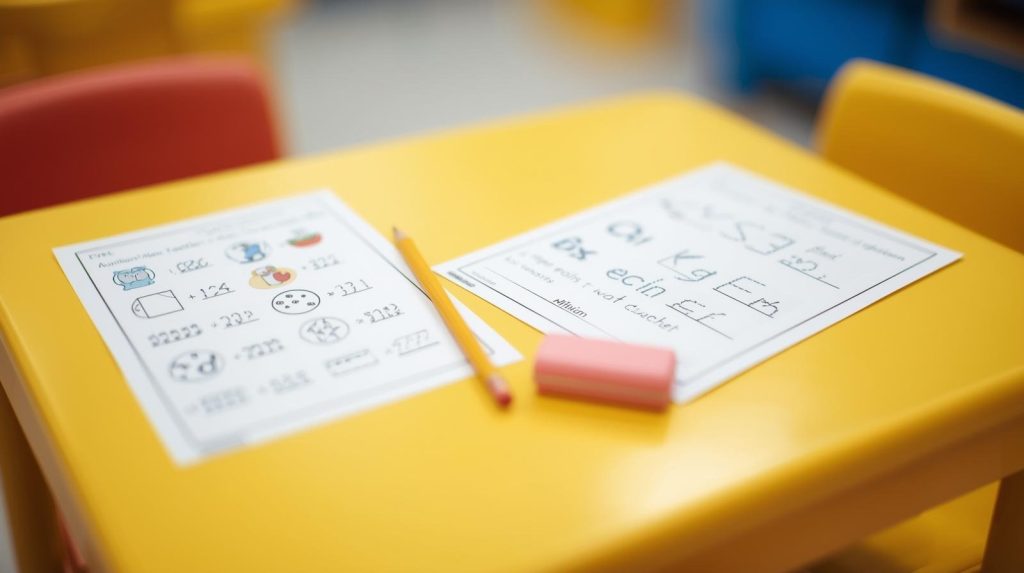
School readiness Academic
- Practice literacy
- Numeracy
- Science
- Comprehension
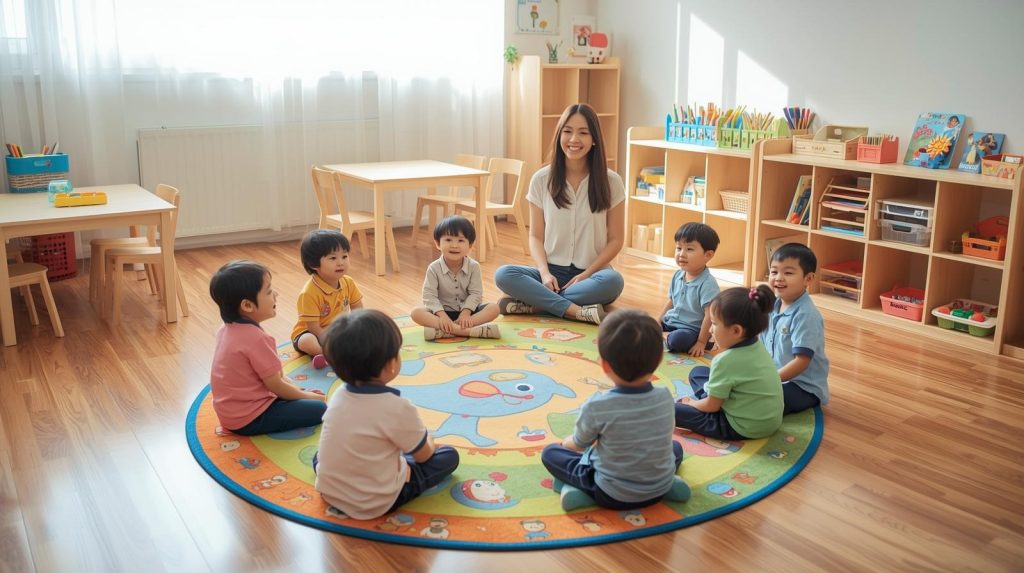
Daily routines
- Circle time
- Show and tell
- Table time
- Movement
- Play Time
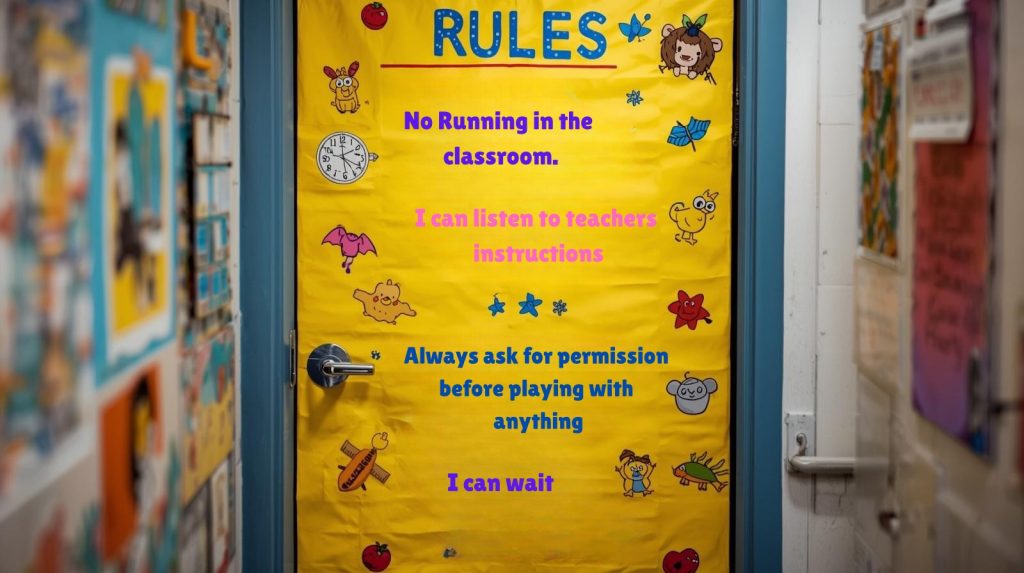
Classroom skills
- Read and follow the timetable and class routine
- Getting ready to learn: find the book, locate pages, use a ruler, etc
- Pencil-grip handwriting and cutting skill
- Attempt and complete worksheets
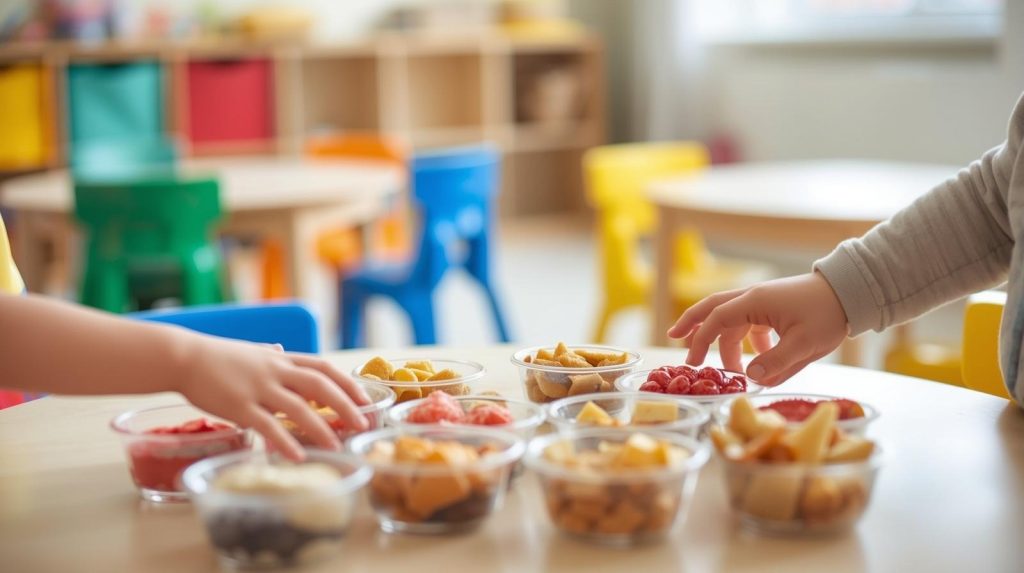
Practical Life
- Getting Snacks
- Unwrapping Snacks
- Clean up after eating
- Toileting
- Pack school bag
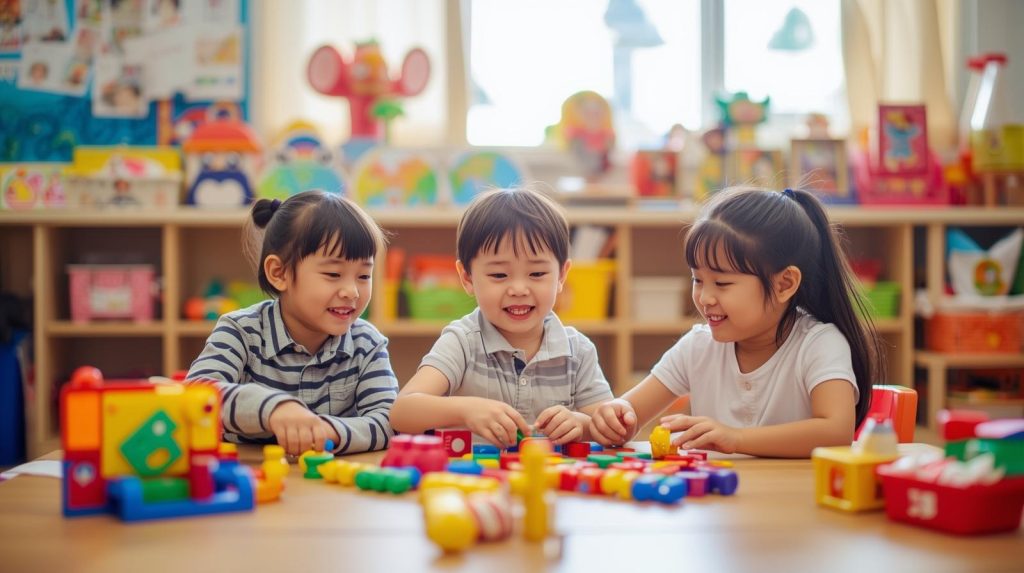
Life Skills
- Social Emotional Learning
- Executive Functioning
- School Social Skills
- School Behaviour Skills
Learning Life Values - Understanding and Applying Rules
Practical Life
- Getting Snacks
- Unwrapping Snacks
- Clean up after eating
- Toileting
- Pack school bag
Life Skills
- Social Emotional Learning
- Executive Functioning
- School Social Skills
- School Behaviour Skills
Learning Life Values - Understanding and Applying Rules